Seville and Its Vibrant Streets
Seville is the beating heart of Andalusia. Streets twist and turn unpredictably, packed with cafés, tapas bars, and plazas where people linger. The Alcázar palace glimmers with intricate tiles and gardens, while the cathedral towers over the city like a guardian.
Even walking through the old Jewish quarter, you feel the history underfoot. Every corner has stories, every building a memory. And the rhythm of the city isn’t rushed—people sip coffee slowly, chat over long lunches, and wander without hurrying, teaching visitors to slow down too.
Córdoba: History in Every Stone
Córdoba offers a different pace. The Mezquita is awe-inspiring, a forest of arches and columns that seems to stretch forever. Streets in the old town are narrow and twisting, whitewashed walls adorned with flowerpots, and patios bursting with color and fragrance.
Walking through Córdoba is sensory: the scent of orange blossoms in spring, the chatter of locals, the quiet sound of fountains. Pause in a plaza, sip a drink, watch life drift by, and you realize the Andalusian Roads aren’t just routes—they’re invitations to linger.
Granada and the Sierra Nevada
Heading east, Granada sits beneath the Sierra Nevada mountains. The Alhambra palace is famous for a reason: intricate carvings, reflecting pools, and gardens that seem to defy gravity. But beyond the tourist trails, the city hums with everyday life—students, markets, and locals navigating cobbled streets.
Drive further into the Sierra Nevada for a change in pace. Snow-capped peaks, winding mountain roads, and small villages reveal another Andalusia: quiet, natural, and sometimes unexpectedly cold. Hike or ski, but always pause to look at the valleys below, dotted with olive groves and red-roofed homes.
White Villages: Pueblos Blancos
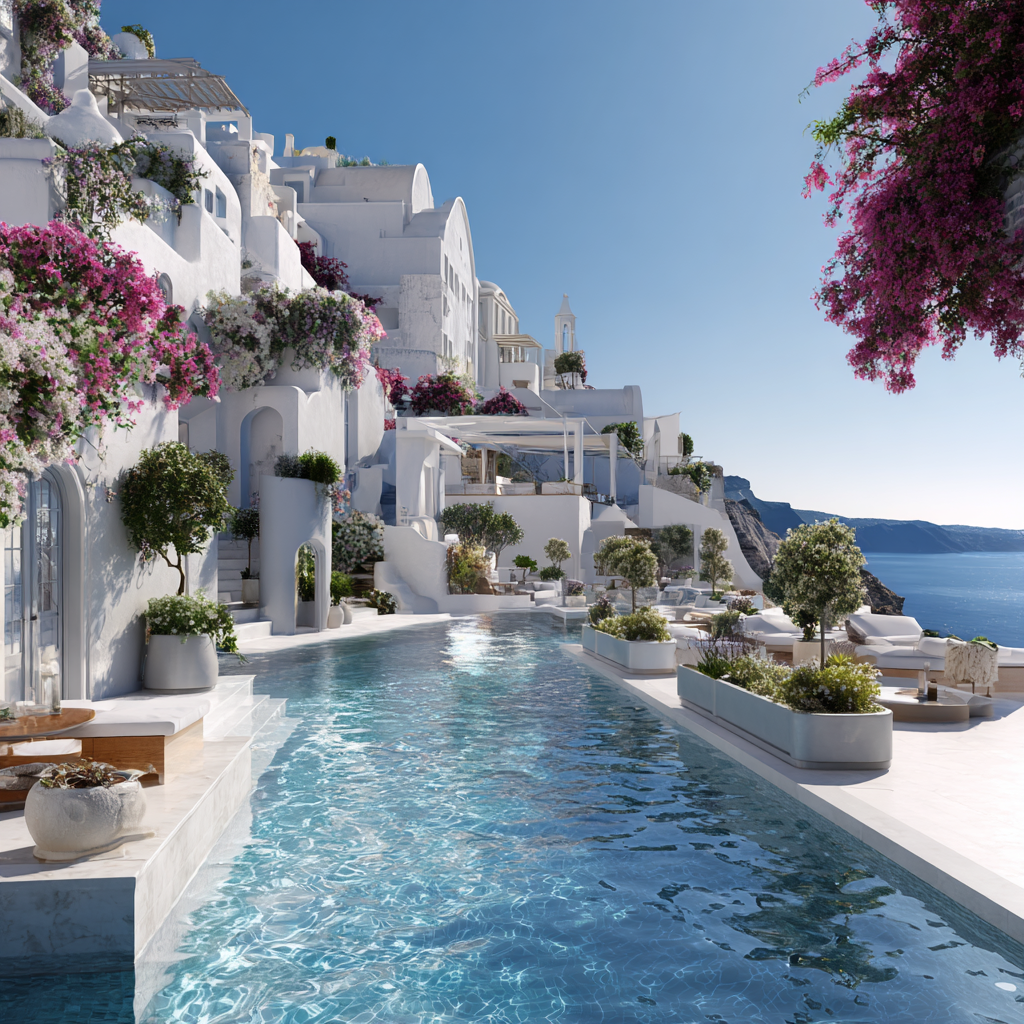
Andalusia’s white villages—Ronda, Mijas, Grazalema, and Arcos—are scattered across the hills. Narrow streets, whitewashed walls, and flower-laden balconies create a postcard-perfect experience. Each village has its own rhythm.
Ronda, perched above a deep gorge, offers breathtaking views and historic bridges. Grazalema, tucked into a natural park, gives hikers a base to explore mountains and forests. Wandering these villages, you feel time stretch. Shopkeepers greet you, locals chat, cats lounge in the sun, and the slow pace is contagious.
Coastline: Costa del Sol and Beyond
Andalusia’s southern coast offers yet another experience. The Costa del Sol is sunny, Mediterranean, and lively, with beaches, resorts, and nightlife. Drive west toward Cádiz or the less crowded Costa de la Luz, and the beaches become wild, windswept, and empty.
Stop in Tarifa for windsurfing, or Cádiz for history and seafood. The coastline is dramatic, sunlight glinting off the Atlantic, fishing boats bobbing in harbors, and sunsets that turn the sky orange, pink, and purple. Andalusian roads along the coast offer variety—urban, rural, and maritime—all in one journey.
Olive Groves, Vineyards, and Countryside
The inland roads are dotted with olive groves stretching for miles. Villages here are smaller, life slower. Stop at a local farm, taste freshly pressed olive oil, or sip wine from a vineyard overlooking the plains. The landscape is golden in summer, green in spring, and lined with cypress and almond trees in bloom.
Drive slowly. The roads twist along hillsides, passing rivers, small farms, and occasional castle ruins. You feel connected to centuries of Andalusian life, a rhythm dictated by land, sun, and harvests rather than traffic signs.
Flamenco, Music, and Culture
Andalusia is music as much as it is landscape. Flamenco is everywhere: in cafés, plazas, and small theatres. The rhythm of guitar, clapping, and passionate singing echoes through streets and squares. You can’t just observe it; you feel it.
Even a short stop in a small town might lead to discovering local dancers or musicians practicing in courtyards. Music isn’t entertainment here—it’s life. Driving the roads, you hear it echo over hills, blending with bird song, wind, and the hum of tires on asphalt.
Weather and Light
Andalusian weather varies across the region. Coastal areas are warm, sunny, and Mediterranean, while mountains can be cooler and misty. Spring and autumn bring softer light, fewer tourists, and golden landscapes. The sun moves fast, shadows stretch across villages, and clouds occasionally spill over mountains, creating dramatic contrasts.
Pay attention to light. Sunsets over olive groves, reflections in fountains, and golden streets in the morning can turn an ordinary drive into something magical.
Why the Andalusian Roads Matter
The Andalusian Roads aren’t just highways—they’re invitations. They offer landscape, history, culture, and human connection all at once. Mountains, coastlines, villages, and cities create a tapestry that teaches patience, observation, and appreciation for small details.
Even after leaving, you carry Andalusia with you: the smell of orange blossoms, the taste of tapas, the sound of flamenco, the feel of sunlight on whitewashed walls, the sight of rolling hills dotted with olives and vineyards. The roads stay with you, long after you’ve returned home.
Finding Your Own Andalusian Journey
Don’t rush. Drive slowly, pause in villages, hike in mountains, taste local food, listen to flamenco, and walk the coast. Explore hidden paths, discover quiet beaches, and linger in plazas. The Andalusian Roads reward those who are curious, patient, and willing to immerse themselves fully in the rhythm of the region.
This journey is for travelers who love variety, beauty, culture, and a sense of history. It’s for people who want to experience Spain beyond guidebooks, discovering the soul of the south one mile, one village, one sunset at a time.
The Andalusian Roads are dramatic, historic, sun-soaked, and endlessly rewarding. They’re a journey into southern Spain’s heart, revealing landscapes, culture, and traditions that leave a lasting impression on anyone willing to slow down and explore.